
Toyota and Lexus make aggressive pricing moves
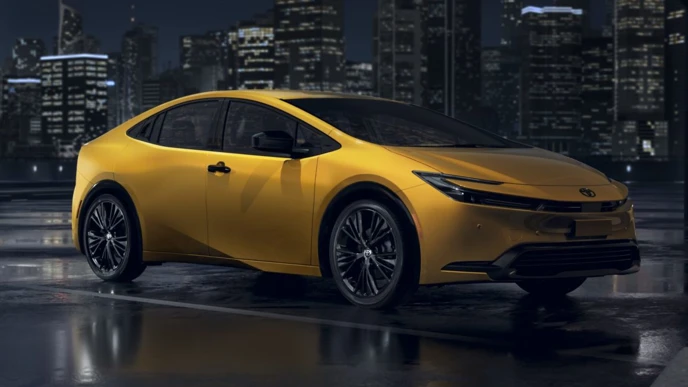
Toyota is offering a 2026 Prius LE AWD lease for $259 per month over 36 months with $3,999 due at signing, available in select states until March 31, 2026. Lexus has introduced the 2026 ES EV starting at $48,795, offering over 300 miles of range and pricing below competitors like BMW and Audi. Both are designed to draw in buyers seeking cost-effective electrified options while strengthening each brand’s position in the market.
Toyota drops very accessible Prius lease offer for March
Rising fuel costs drive consumer shift
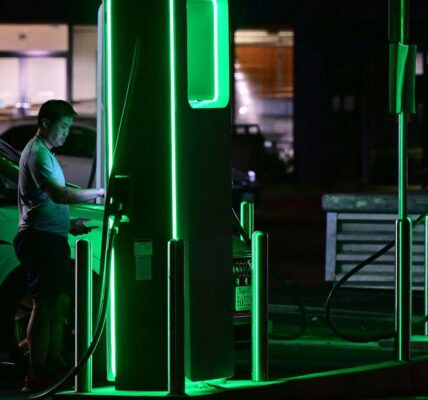
With oil prices exceeding $100 per barrel due to geopolitical tensions, more U.S. consumers are turning to EVs and hybrids. Electrified vehicle quote requests have risen 85% year-over-year and now surpass those for gasoline models. Analysts link this surge to the immediate impact of fuel price spikes on buyer decision-making, echoing trends from previous energy price surges.
EV demand surges 85% as oil prices top $100 per barrel
EV adoption reshapes global oil demand
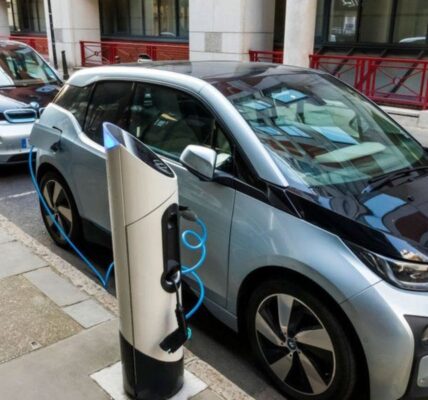
Electric vehicles displaced an estimated 2.3 million barrels of oil per day in 2025, up from 1.3 million in 2024, according to BloombergNEF and the IEA. Even Ember’s lower estimate of 1.7 million barrels per day represents a significant shift, surpassing daily output of several oil-producing countries. This trajectory is altering global energy markets and affecting economies reliant on petroleum exports.
EVs are cutting global oil demand by about 1.8M barrels a day
Strategic outlook for the EV price battle
Current pricing strategies from Toyota and Lexus arrive as federal tax credits of up to $7,500 and state-level incentives further enhance affordability. Combined with fuel and maintenance savings that can total $6,000 to $10,000 over a vehicle’s lifetime, these factors may reinforce the consumer shift toward electrified models already accelerated by high fuel costs. Sustained market conditions could solidify EVs and hybrids as mainstream choices, deepening their influence on auto industry competition and energy consumption patterns.