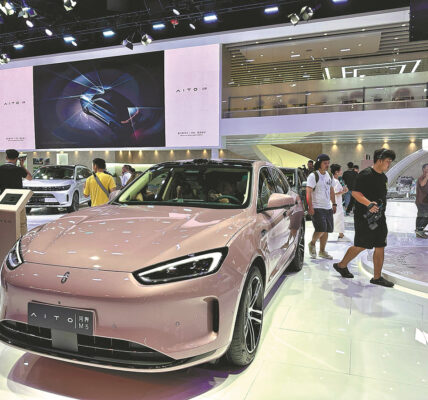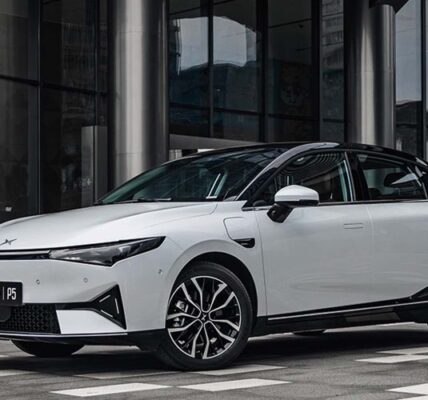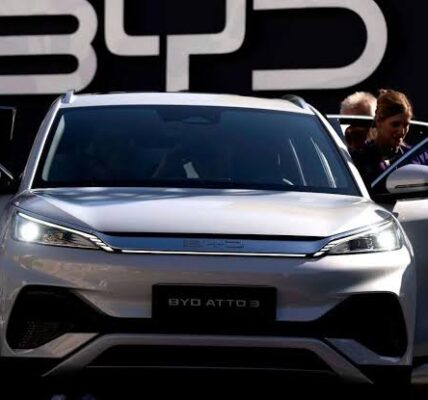


Gulf EV Market Shifts Toward Chinese Automakers as Fuel Costs Rise and China-GCC Ties Deepen

Rising fuel costs and inflation are accelerating demand for affordable Chinese EV across the Gulf, with the UAE leading adoption and Saudi Arabia scaling infrastructure and localization. As China-GCC ties deepen beyond trade into technology and manufacturing, the EV transition is emerging as a strategic pillar of both economic diversification and industrial policy in the region.
The Gulf’s turn toward cheaper Chinese electric vehicles (EVs) is no longer a niche consumer trend; it is becoming a strategic market shift shaped by fuel-price volatility, inflation concerns, and state-led industrial policy. A March 2026 market estimate put the Gulf Cooperation Council EV market at US$11.64 billion in 2026, up from US$9.53 billion in 2025, with a projected 22.15 percent CAGR to 2031.
Battery-electric vehicles accounted for 67.83 percent of the market in 2025, while the economy-price segment is expected to grow fastest as Chinese brands widen their dealer footprint. Within that mix, the United Arab Emirates (UAE) held an estimated 42.01 percent of GCC EV market value in 2025, while Saudi Arabia is the fastest-growing market through 2031.
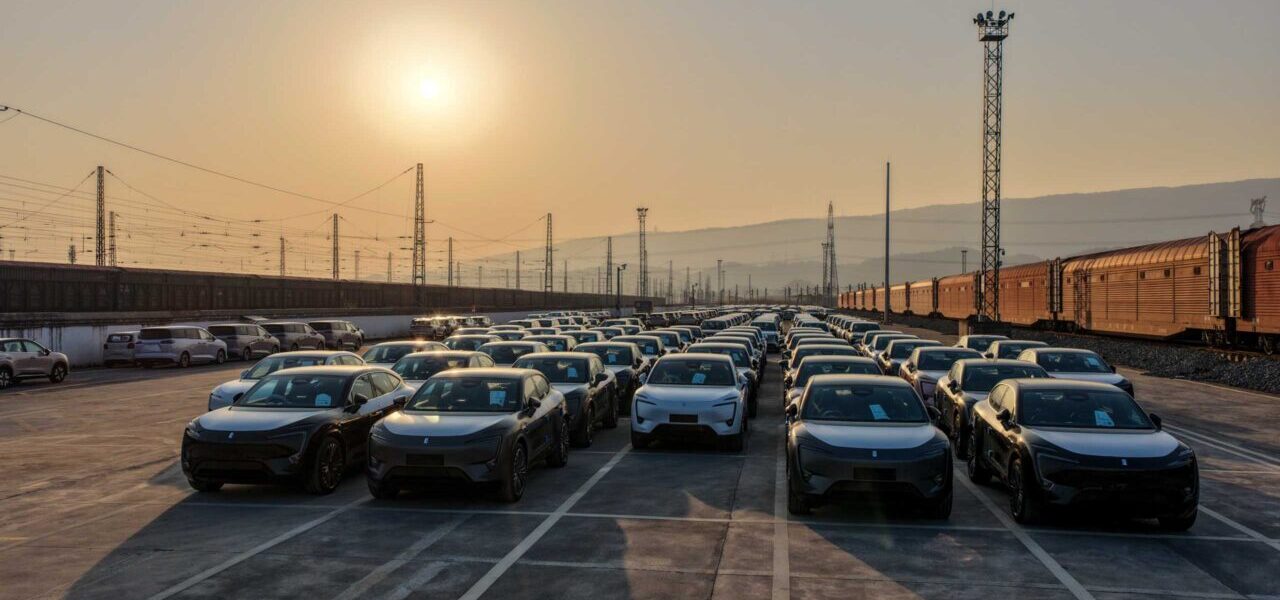
Trade flows underline why Gulf buyers are increasingly seeing Chinese EVs first. The Middle East imported US$7.4 billion of Chinese EVs in 2025, up 92 percent year on year, and the UAE alone imported US$3.5 billion, making it one of the world’s largest destinations for China-made EVs.
More broadly, Gulf states such as Saudi Arabia and the UAE absorbed 1.39 million China-made vehicles in 2025, about one-sixth of China’s total overseas car shipments, making the region China’s second-largest external car market. Public cross-Gulf “enquiry” data are scarce, but the combination of rising sales, expanding dealer networks, and rapid charging build-out strongly suggests that consumer interest is translating into actual purchases.
The key near-term catalyst is cost. In April 2026, the UAE raised Super 98 petrol to AED 3.39 a litre from AED 2.59 in March, while Special 95 rose to AED 3.28 from AED 2.48. In Qatar, Super gasoline rose to QR 2.05 a litre in April from QR 1.90 in March. By contrast, Saudi retail fuel remained stable under administered pricing, which means EV uptake there depends less on immediate pump shocks and more on long-term industrial policy, infrastructure, and model availability. Reuters and IMF reporting both show the war is already feeding inflation through energy costs and supply-chain disruption, reinforcing the appeal of lower running-cost vehicles.