

Japan’s first mass-produced hydrogen light truck
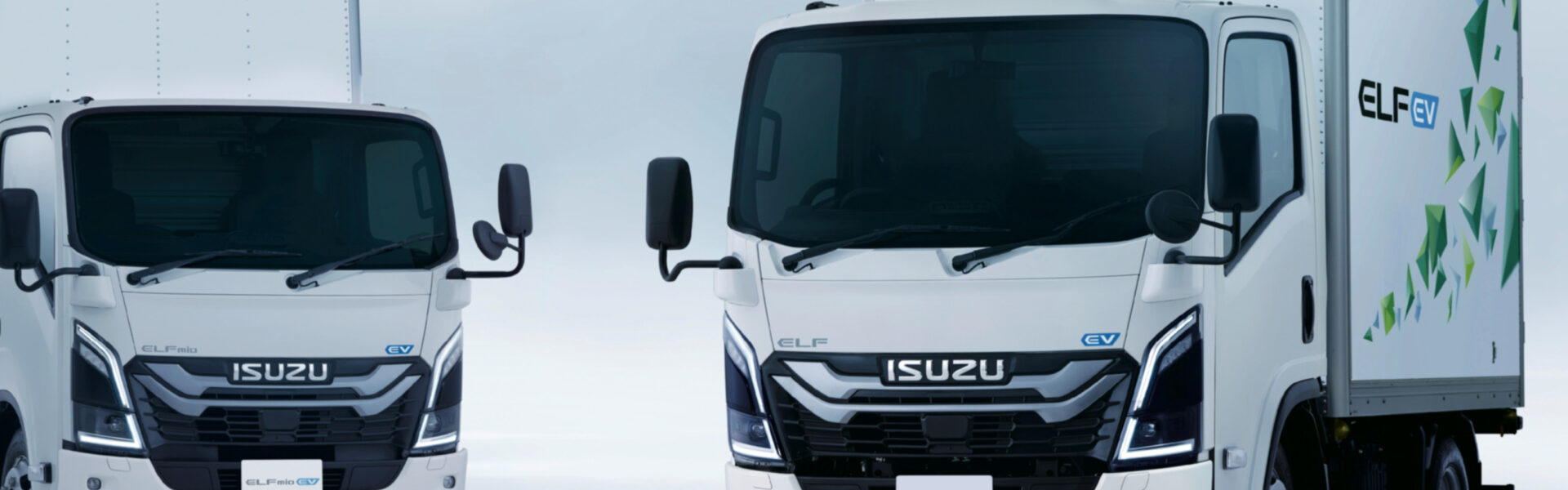
Toyota and Isuzu will jointly develop a light-duty fuel-cell electric truck based on the Isuzu ELF EV platform, integrating Toyota’s third-generation fuel cell system. Production is planned for Japan’s fiscal 2027, ending March 2028. The collaboration builds on previous joint hydrogen bus projects and aims to support Japan’s hydrogen society and carbon-neutral logistics goals.
Why refrigerated delivery is the first target
Light-duty trucks delivering to supermarkets and convenience stores often run refrigeration units that drain batteries quickly and require long operating hours. Hydrogen fuel-cell trucks can refuel in 10–15 minutes, offer longer range, and maintain performance in cold weather, making them more suitable than BEVs for such high-utilization roles. This operational fit is a key reason Toyota and Isuzu are focusing on this segment first.
From ELF EV to hydrogen power
The ELF EV, launched in 2023, uses a modular architecture allowing multiple powertrains. Toyota’s third-generation fuel-cell system promises 20% better efficiency, up to twice the durability, and cost reductions through design and manufacturing innovations. Sharing BEV components with the fuel-cell variant helps lower production costs while providing zero emissions, low noise, and long range for demanding delivery work.
Toyota’s pivot to commercial hydrogen
After limited success with hydrogen passenger cars like the Mirai, Toyota is shifting focus to commercial vehicles where quick refueling and long range can offer competitive advantages. Past trials with hydrogen-powered heavy trucks and buses inform this light truck project. The initiative aligns with Japan’s Basic Hydrogen Strategy and seeks to overcome cost and infrastructure hurdles through industry partnerships and government support.
Future scenarios for hydrogen truck adoption
If government subsidies and refueling infrastructure expand, Toyota and Isuzu’s truck could see strong uptake among major Japanese logistics firms by the late 2020s. Without such support, adoption may be limited to pilot programs, with BEVs retaining dominance in urban delivery fleets. Key milestones to watch include technical specifications, pilot fleet announcements, and hydrogen cost trends over the next 12 months.